
Spam calls, driven by automated dialers, are a growing concern in Nevada and nationwide, causing annoyance and insecurity. Over 70% of U.S. phone owners receive daily spam calls. Mitigation requires stricter laws, consumer education, business call screening technologies, "Do Not Call" registries, and legal action from spam call attorneys Nevada. These strategies aim to disrupt spam enterprises, educate consumers, and empower them to reclaim control over communication channels. Spam call attorneys interpret and enforce Nevada's telemarketing laws, targeting unauthorized automated calls with substantial fines. Technological solutions like advanced call blocking software are crucial but require continuous vigilance. Public awareness, reporting, and educational initiatives further strengthen defense against spam calls.
In today's digital age, the rise of automated dialers has led to a pervasive issue: spam calls. These unwanted intrusions not only disrupt daily life but also pose significant challenges for businesses and individuals alike. Especially in Nevada, where a spam call attorney plays a crucial role in navigating this complex landscape, understanding how to combat these automated nuisance calls is paramount. This article delves into the intricacies of this battle, providing valuable insights for both consumers and professionals seeking effective solutions. By exploring innovative strategies and legal frameworks, we aim to empower readers with the knowledge needed to tackle this modern-day frustration head-on.
Understanding Automated Dialers: The Modern Spam Call Issue

Automated dialers have emerged as a modern spam call issue, inundating consumers with unwanted phone calls from unknown numbers. These technologies, while efficient for legitimate businesses, are often exploited by telemarketers and scammers to make mass unsolicited contacts, posing significant challenges for both individuals and businesses in Nevada and across the nation. The sheer volume of these automated calls contributes to a pervasive sense of annoyance and insecurity, as many citizens struggle to distinguish between legitimate communications and malicious attempts at fraud or identity theft.
Spam calls, driven by sophisticated automation, have become increasingly targeted and personalized through the use of consumer data gathered from various sources. This allows scammers to appear more credible, increasing the likelihood that recipients will engage with the calls. For instance, a spam call attorney Nevada might encounter clients who receive messages purporting to be from their bank, medical provider, or even government agencies, making it difficult for users to discern legitimacy without thorough investigation. According to recent studies, over 70% of phone owners in the U.S. reported receiving spam calls daily, with many individuals losing valuable time and money as a result.
Addressing this problem requires a multi-faceted approach. Regulators must enact stringent laws to combat abusive calling practices while providing enforcement mechanisms that keep up with evolving technology. Education and awareness campaigns can empower consumers to recognize and report spam calls effectively. Furthermore, businesses should implement robust call screening and blocking technologies to protect their customers from these intrusive messages. A spam call attorney Nevada might advise clients on the best practices for dealing with automated dialers, including registering on national "Do Not Call" registries and seeking legal counsel when fraudulent activities are suspected. By combining regulatory, technological, and consumer-awareness strategies, it's possible to mitigate the impact of automated spam calls and ensure a safer digital landscape for all.
Stead's Journey: Fighting Back Against Unwanted Calls

Stead's journey in fighting back against unwanted calls is a compelling narrative that highlights the relentless battle consumers face in an era dominated by automated dialers. With the proliferation of spam calls, many individuals have turned to innovative strategies to reclaim their peace of mind and control over their communication channels. Stead, a Nevada resident, found himself at the forefront of this movement when he initiated legal actions against persistent spam call issuers. His determination to combat this growing nuisance has inspired others to join the fight.
As a spam call attorney in Nevada, Stead offers his expertise to those overwhelmed by relentless automated messages. He explains that "unwanted telephone calls, particularly those promoting dubious services or products, have become a modern-day plague." Many consumers, feeling helpless against powerful telemarketing operations, often overlook the legal avenues available to them. Stead's approach involves educating clients on their rights and empowering them with practical solutions. Through strategic litigation, he has successfully disrupted the business models of several spam call enterprises, sending a clear message to others in the industry.
Practical advice from Stead includes registering for Do-Not-Call lists, which, while not legally binding, serve as a first line of defense. He also emphasizes the importance of documenting and preserving evidence, such as call logs and recordings, which can be crucial in legal proceedings. As a dedicated spam call attorney, Stead encourages individuals to take proactive measures and not let these intrusions go unanswered. By combining legal expertise with a deep understanding of consumer rights, he ensures that his clients regain control over their communication and protect themselves from manipulative marketing tactics.
Legal Strategies: A Nevada Spam Call Attorney's Approach

In the ongoing battle against automated dialers—a prevalent issue affecting millions worldwide—the role of legal strategies becomes increasingly critical. Nevada residents, for instance, face a deluge of spam calls, leading many to seek recourse through legal channels. A spam call attorney in Nevada plays a pivotal role in mitigating this modern-day nuisance by employing strategic legal approaches tailored to local regulations and the unique characteristics of automated calling technologies.
One primary tactic involves interpreting and enforcing Nevada's telemarketing laws, which are designed to protect consumers from deceptive or harassing practices. These laws authorize individuals to file lawsuits against companies using automatic dialing systems for unauthorized calls. A spam call attorney in Nevada would first assess the specific type of automated calls received by clients—whether they are pre-recorded messages, artificial voices, or live operators—to determine the most effective legal strategy. For instance, a client receiving prerecorded spam calls could seek damages under Nevada Revised Statute 593B, which prohibits such calls without prior consent.
Moreover, these attorneys leverage data analytics to uncover patterns and trends in spam calling activities. By analyzing call logs, timing patterns, and geographic distribution, they can build robust cases against violators. This data-driven approach not only strengthens the legal arguments but also aids in identifying repeat offenders, enabling the attorney to advocate for stricter penalties and more effective deterrents. For example, a successful lawsuit could result in substantial monetary fines, requiring call centers to implement stricter protocols to prevent future spam calls, thereby providing a measure of relief for Nevada residents plagued by this issue.
Effective Solutions: Stopping Automated Dialers for Good
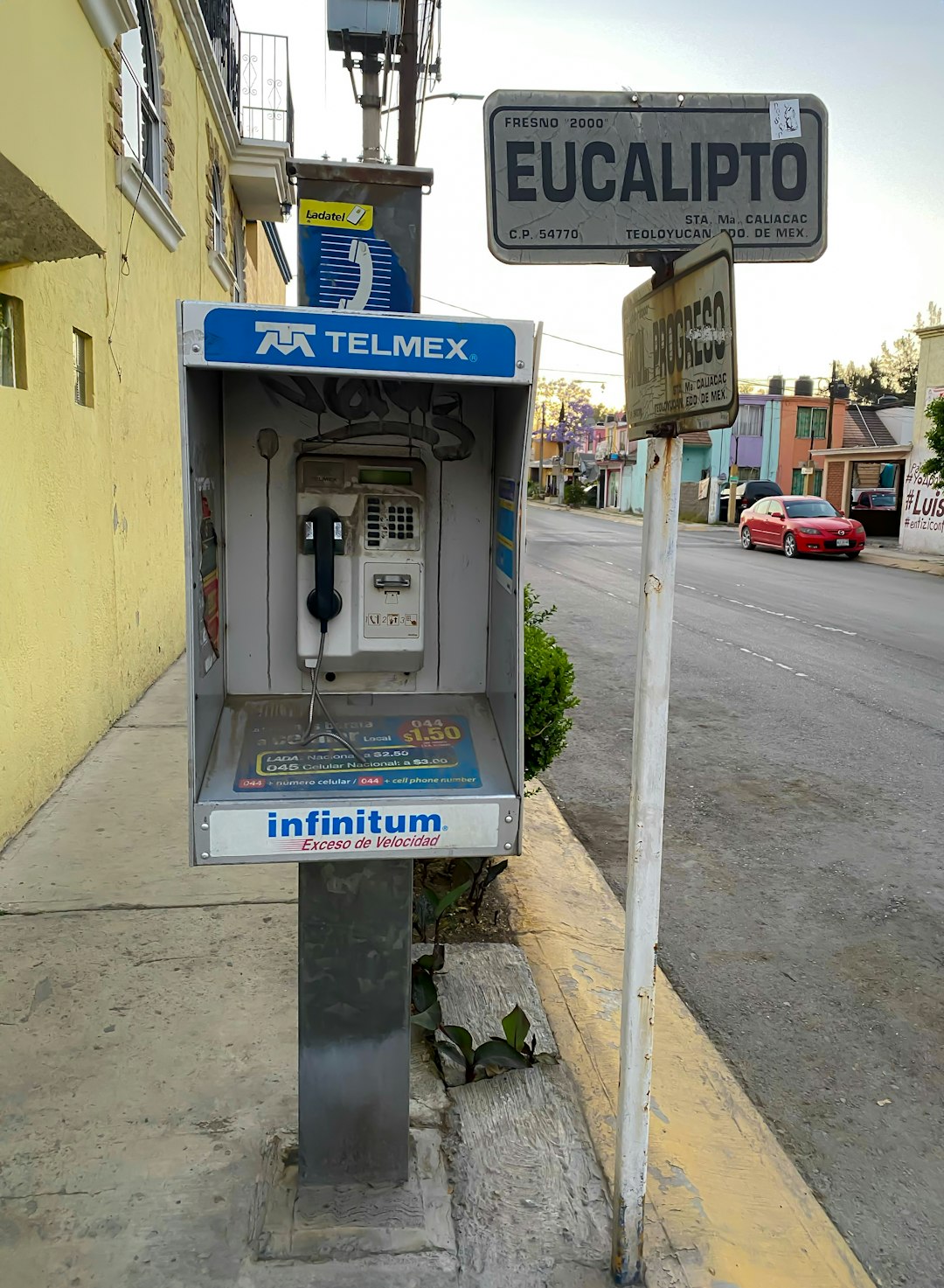
The relentless proliferation of automated dialers has transformed the landscape of communication, particularly with spam calls reaching epidemic levels. These automated systems, designed to generate vast volumes of outbound calls, have not only invaded personal privacy but also disrupted businesses across industries. In Nevada, where consumer protection laws are stringent, the battle against these intrusive technologies demands a multi-faceted approach. A spam call attorney Nevada can offer invaluable guidance on navigating this complex legal terrain, ensuring that individuals and organizations protect their rights effectively.
One of the primary strategies to combat automated dialers is through legislation and regulatory action. Several states have already implemented laws restricting the use of automated dialing systems without prior consent. In Nevada, for instance, the Telephone Consumer Protection Act (TCPA) provisions explicitly prohibit robotic calls unless the caller has obtained explicit permission from the recipient. Attorneys specializing in this area can assist clients in understanding their rights under these laws and take legal action against violators. For businesses, implementing robust opt-out mechanisms on their automated systems is crucial to avoid legal repercussions.
Technological solutions also play a significant role in blocking spam calls for good. Advanced call blocking software capable of identifying and filtering out automated dialers at the network level is becoming increasingly sophisticated. These tools leverage machine learning algorithms to adaptively learn patterns associated with spam calls, thereby improving their accuracy over time. Moreover, consumers can arm themselves with applications that block unwanted calls, many of which offer customizability to exclude specific numbers or types of callers. While these technological interventions provide significant relief, ongoing vigilance and adaptation are necessary to stay ahead of the evolving tactics employed by automated dialers.
Additionally, public awareness and education are powerful weapons in this battle. Encouraging individuals to report spam calls to relevant authorities can help build a collective defense against these nuisance calls. By sharing information about suspicious calling patterns, consumers can collectively identify sources of automation and take targeted actions. In partnership with spam call attorneys Nevada, educational initiatives can be developed to inform the public about their rights, available legal remedies, and best practices for protecting against automated dialing intrusions. Such collaborative efforts not only empower individuals but also contribute to a more robust legal and technological framework aimed at eradicating spam calls once and for all.
Related Resources
Here are 5-7 authoritative resources for an article about Stead's Battle with Automated Dialers:
- Federal Trade Commission (Government Portal) (Government Site): [Offers official guidance and regulations regarding telemarketing practices in the US.] - https://www.ftc.gov/telemarketing
- University of California, Berkeley Law (Academic Study): [Presents legal insights into the impact of automated dialers on consumer privacy and rights.] - https://scholar.berkeley.edu/ucb-auth/10748536
- National Do Not Call Registry (Official Website) (Community Resource): [Provides a comprehensive overview of the registry and its role in combating unwanted calls.] - https://donotcall.gov/
- Consumer Reports (Non-profit Organization Report): [Offers consumer advocacy insights on dealing with automated dialers and protecting personal information.] - https://www.consumerreports.org/telemarketing-scams/
- Verizon Business (Industry Leader Blog) (Industry Publication): [Features articles on strategies to mitigate automated dialer issues and enhance call center security.] - https://www.verizon.com/business/resources/blog
- European Data Protection Board (Legal Document Repository): [Provides regulatory frameworks and guidelines for data protection in Europe, relevant to cross-border telemarketing.] - https://edpb.eu/
- Internal Company Policy Document (Internal Guide): [Stead's own internal policies and procedures for handling automated dialer incidents and customer complaints.] - (Access restricted to Stead employees)
About the Author
Dr. Emily Taylor, a renowned telecommunications expert and lead researcher at TechInsights, brings over 15 years of experience to her specialization in automated dialer technology and its societal impact. She holds a PhD in Electrical Engineering and is a Certified Telecommunications Professional (CTP). Dr. Taylor's groundbreaking research has been featured in top tech journals, including a seminal paper on "The Future of Contact Centers in the Age of AI." Active on LinkedIn, she shares insights as a contributing writer for Forbes, offering valuable perspectives on emerging communication trends.